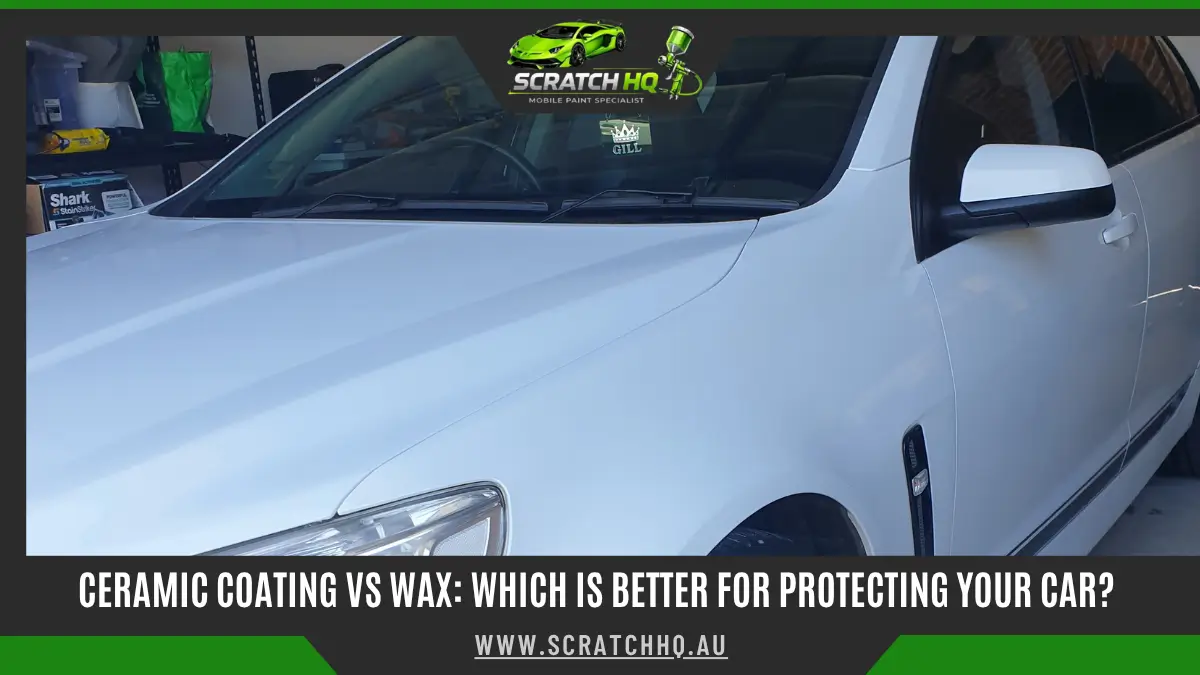
Ceramic coating and wax both help protect your car’s paint, but they offer different levels of durability, maintenance, and long-term value.
Ceramic coating is generally the better choice for owners who want longer-lasting protection with less upkeep, while wax is a practical option for those looking for a lower upfront cost or who enjoy regular detailing.
The right choice depends on how you use your vehicle, your budget, and how much time you’re willing to spend maintaining its finish.
This guide compares ceramic coating vs wax, explaining the key differences so you can choose the paint protection option that best suits your needs.
Key Takeaways
- Ceramic coating provides longer-lasting paint protection, while wax offers short-term protection that requires regular reapplication.
- Wax has a lower upfront cost, while ceramic coating generally offers better long-term value for owners planning to keep their vehicle for several years.
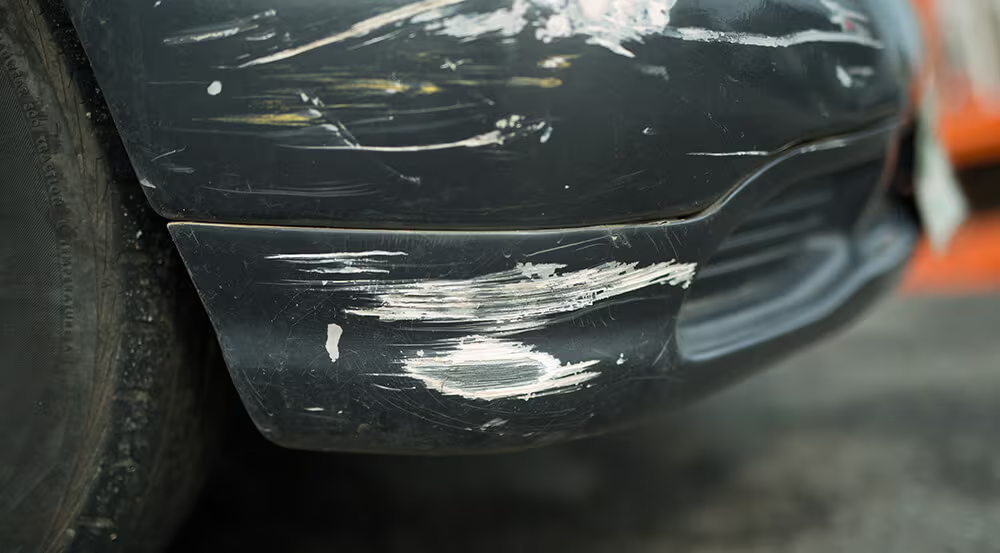
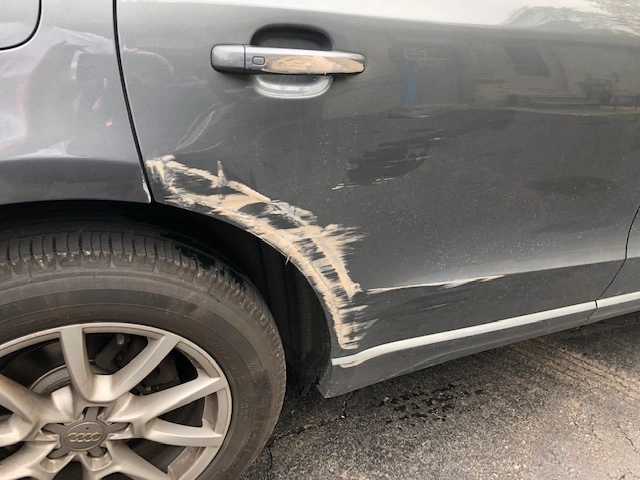
- Neither ceramic coating nor wax prevents stone chips, deep scratches, or other impact damage. If impact protection is your priority, paint protection film (PPF) is a better option.
- Ceramic coating is generally better for daily drivers and owners who want less ongoing maintenance, while wax suits those who enjoy regular detailing or have a tighter budget.
- The best choice depends on your budget, driving habits, parking conditions, and long-term ownership plans.
What Is Car Wax?
Car wax is a temporary protective coating applied to a vehicle’s clear coat to improve its appearance and provide short-term protection from everyday environmental exposure.
It forms a sacrificial layer that gradually wears away through washing, weather, and regular driving.
Unlike longer-lasting paint protection treatments, car wax requires regular reapplication to maintain its performance.
How Car Wax Works
After application, wax creates a smooth surface that helps:
- Repel water
- Reduce dirt and dust from sticking to the paint
- Enhance the vehicle’s shine
- Provide short-term protection from UV rays and common contaminants
Because the wax layer slowly degrades with normal use, its protective properties diminish over time.
Types of Car Wax
The most common types of car wax include:
Carnauba Wax
Made from the leaves of the Brazilian carnauba palm, this natural wax is well known for producing a deep, warm finish that many car enthusiasts appreciate.
Synthetic Wax
Synthetic wax uses engineered polymers to improve durability and weather resistance while maintaining a glossy finish.
Spray Wax
Spray wax is designed for quick application and is commonly used to maintain gloss between full waxing sessions. While convenient, it typically provides the shortest lifespan of the three.
Key Benefits of Car Wax
Car wax remains popular because it offers several practical advantages:
- Affordable compared with longer-term paint protection options
- Easy to apply at home
- Improves gloss and overall appearance
- Available in a wide range of formulations
- Suitable for routine vehicle care
Key Limitations of Car Wax
Like any paint protection product, wax has limitations:
- Gradually wears away through washing and weather exposure
- Requires regular reapplication to maintain performance
- Provides limited resistance to harsh chemicals
- Offers less protection during prolonged exposure to intense sunlight and environmental contaminants
Understanding these limitations helps set realistic expectations and determine whether wax matches your maintenance routine.
When Is Car Wax a Good Choice?
Car wax is a practical option if you:
- Prefer a lower upfront cost.
- Enjoy washing and detailing your vehicle yourself.
- Own a weekend or garage-kept car.
- Don’t mind reapplying protection throughout the year.
For owners who value simplicity and enjoy regular vehicle maintenance, wax remains a reliable way to keep paint looking its best.
What Is Ceramic Coating?
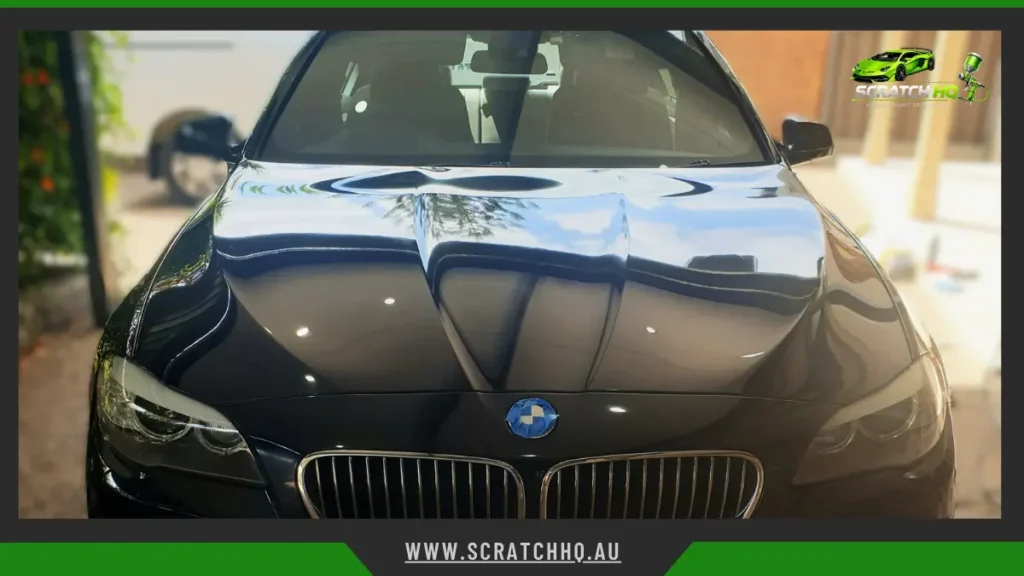
Ceramic coating is a liquid polymer-based paint protection treatment that chemically bonds with a vehicle’s clear coat to provide durable, long-lasting protection. Once cured, it creates a water-repellent surface that helps preserve the paint and makes routine maintenance easier.
Unlike temporary paint protection products, ceramic coating is designed to remain effective for an extended period when properly applied and maintained.
How Ceramic Coating Works
After application, the coating cures into a smooth, hydrophobic surface that changes how the paint interacts with water and contaminants. Instead of easily clinging to the paint, moisture, dirt, and road grime are more likely to slide away during washing or rainfall.
This smoother surface also makes routine cleaning easier because fewer contaminants remain attached to the paint between washes.
Types of Ceramic Coating
Ceramic coatings are available in several forms, each designed for different users and performance expectations.
Professional Ceramic Coatings
Professional-grade coatings are applied after thorough paint preparation and are designed to provide the highest level of durability. Installation typically requires specialised products, controlled application techniques, and sufficient curing time.
Consumer Ceramic Coatings
DIY ceramic coatings are intended for vehicle owners who want improved paint protection at home. While they can deliver noticeable benefits, their durability often depends on proper surface preparation and application.
Spray Ceramic Coatings
Spray ceramic products are commonly used to boost water repellency and gloss or to maintain an existing ceramic coating. They are quick to apply but generally provide shorter-lasting results than dedicated ceramic coating systems.
Key Benefits of Ceramic Coating
Once fully cured, ceramic coating offers several practical advantages for everyday vehicle ownership.
- Helps preserve the paint’s finish for longer
- Repels water and common road contaminants
- Makes routine washing easier
- Maintains gloss over an extended period
- Improves resistance to UV exposure, bird droppings, tree sap, and chemical contaminants
- Reduces the frequency of reapplying paint protection
These advantages make ceramic coating particularly beneficial for vehicles that are driven regularly or exposed to outdoor conditions.
Key Limitations of Ceramic Coating
Ceramic coating improves paint protection, but it has realistic limits.
It does not:
- Prevent stone chips
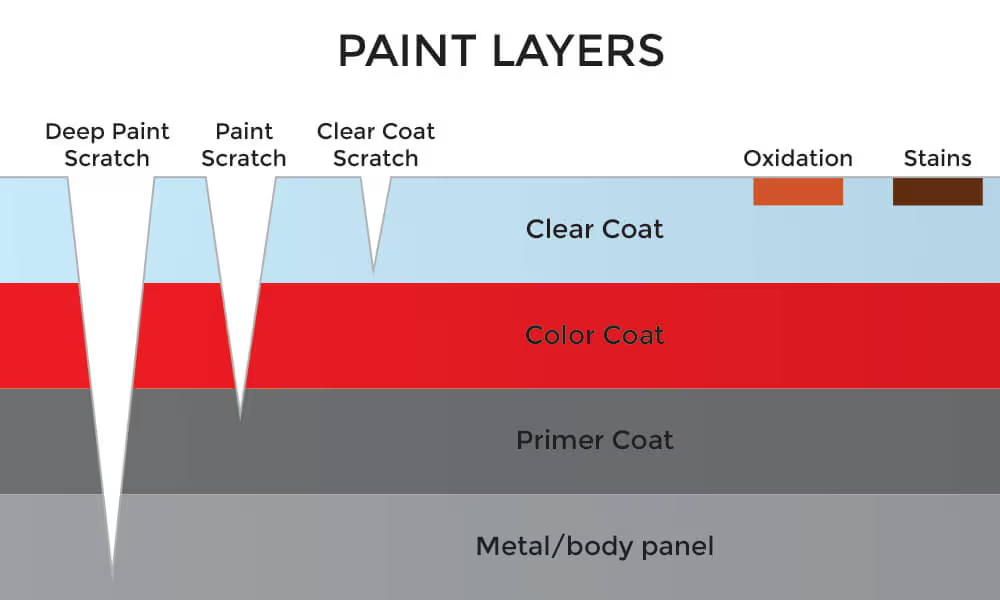
- Stop deep scratches
- Repair existing paint damage
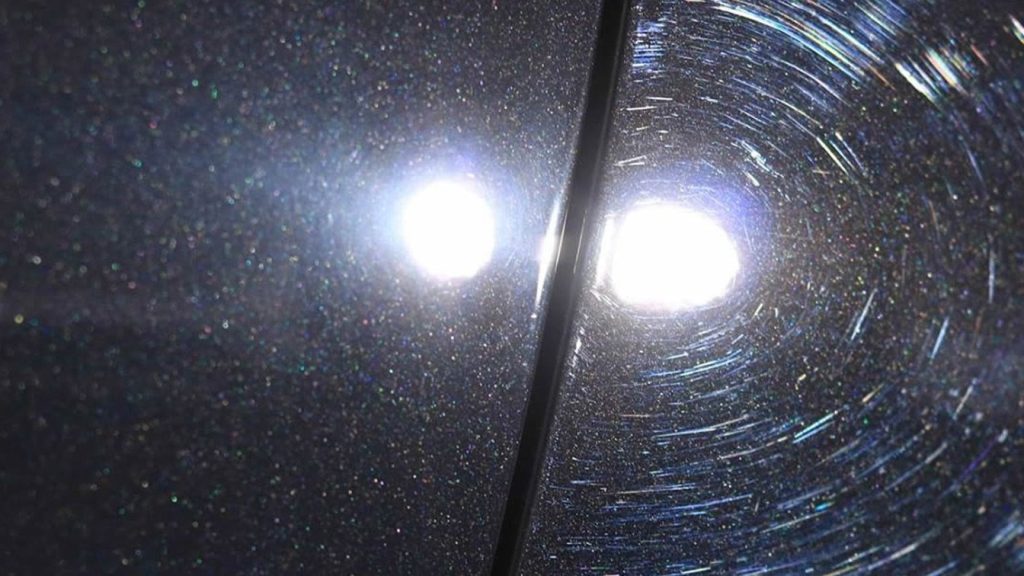
- Eliminate swirl marks caused by improper washing
- Remove the need for regular vehicle maintenance
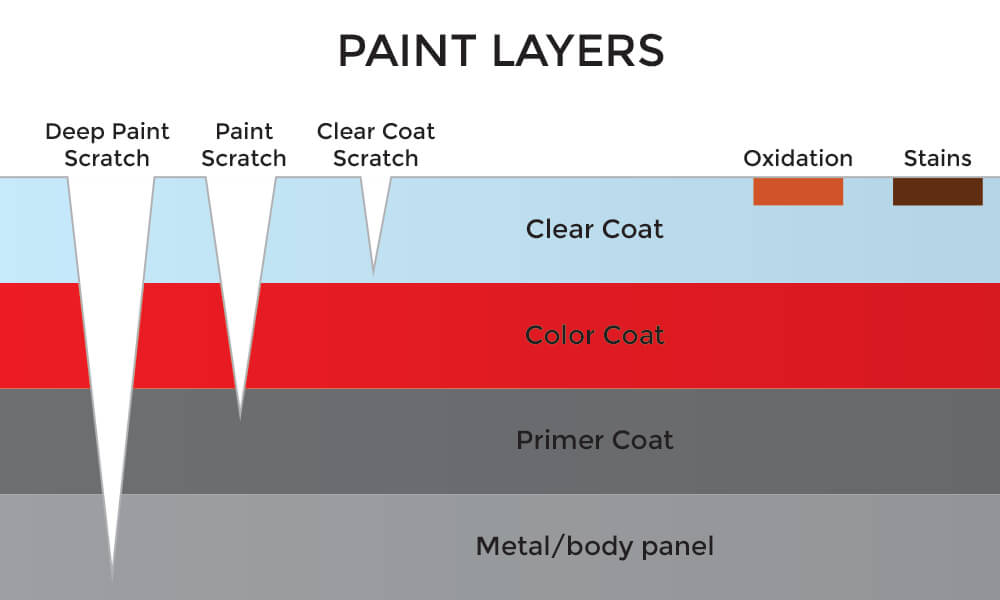
Because the coating preserves the condition of the surface beneath it, any scratches, swirl marks, or paint defects present before application will remain visible afterwards.
Ceramic Coating vs Wax: Side-by-Side Comparison
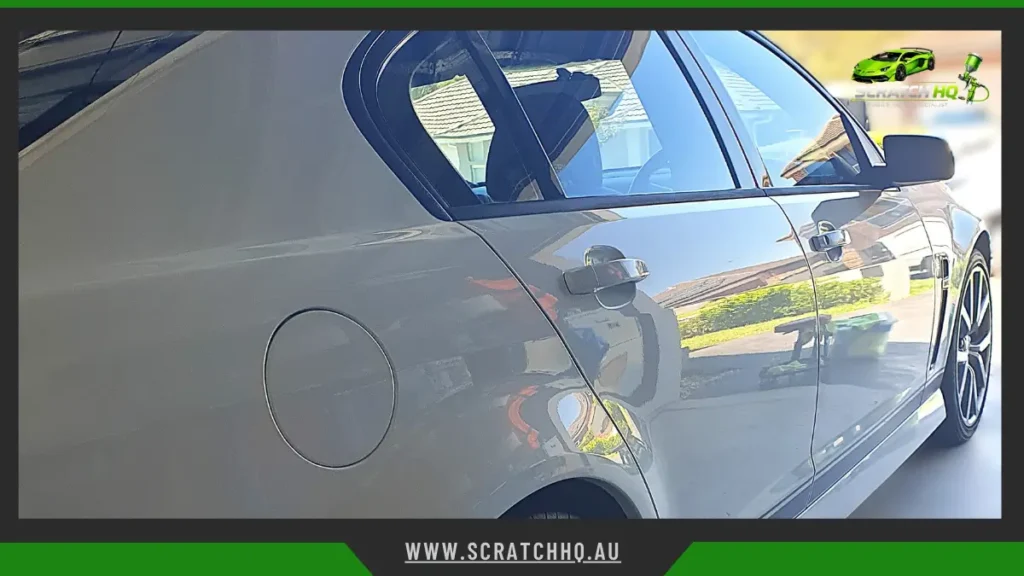
The main difference between ceramic coating and wax is how long they perform and how much maintenance they require.
While both help preserve your vehicle’s paint, ceramic coating is designed for long-term performance, whereas wax provides shorter-term protection that needs regular reapplication.
| Feature | Ceramic Coating | Car Wax |
| Lifespan | Years with proper maintenance | Weeks to a few months |
| Bonding | Bonds with the clear coat | Sits on the paint surface |
| Water Repellency | Excellent | Good |
| UV Resistance | High | Moderate |
| Chemical Resistance | High | Limited |
| Ease of Cleaning | Excellent | Good |
| Reapplication | Infrequent | Regular |
| Upfront Cost | Higher | Lower |
| Long-Term Ownership Cost | Lower | Higher |
Protection Against Everyday Exposure
Ceramic coating maintains its protective performance for much longer than wax when exposed to everyday driving conditions.
Vehicles are constantly exposed to factors that can affect the condition of the paint, including UV rays, bird droppings, tree sap, road grime, bug residue, water spots, and industrial fallout.
Both ceramic coating and wax help reduce the impact of these contaminants. The difference is how well each continues performing as the vehicle is driven and washed over time.
| Environmental Factor | Ceramic Coating | Car Wax |
| UV exposure | Excellent resistance | Moderate resistance |
| Bird droppings | Better resistance | Short-term resistance |
| Tree sap | Better resistance | Short-term resistance |
| Road grime | Excellent | Good |
| Chemical contaminants | Better resistance | Limited resistance |
Promptly removing contaminants is still important, regardless of the protection applied, as prolonged exposure can stain or etch automotive paint.
Durability and Lifespan
Durability is where ceramic coating offers its biggest advantage over wax.
Normal washing, weather exposure, and daily driving gradually wear away wax, meaning its performance declines over time and regular reapplication becomes necessary.
Ceramic coating is designed to remain effective for much longer. With proper maintenance, it continues delivering consistent performance well beyond the lifespan of traditional wax.
| Factor | Ceramic Coating | Car Wax |
| Typical lifespan | Years* | Weeks to months |
| Reapplication frequency | Low | High |
| Performance over time | More consistent | Gradually declines |
Gloss and Overall Appearance
Both ceramic coating and wax improve your vehicle’s finish, but they differ in how long that finish lasts.
Wax is known for producing a warm, rich shine immediately after application. Ceramic coating creates a clean, reflective finish that remains more consistent because it doesn’t need to be reapplied as frequently.
Regardless of which option you choose, the final result depends on the condition of the paint before application. Existing scratches, swirl marks, and oxidation remain visible unless they are corrected beforehand.
| Appearance Factor | Ceramic Coating | Car Wax |
| Initial gloss | Excellent | Excellent |
| Gloss retention | Excellent | Good |
| Consistency over time | Excellent | Moderate |
Water Repellency
Both ceramic coating and wax cause water to bead on the paint, but ceramic coating maintains this effect for much longer.
As wax gradually wears away, its ability to repel water decreases and must be restored through another application.
Ceramic coating retains its hydrophobic surface behaviour for much longer, helping water drain from the paint more consistently between maintenance washes.
Water beading alone should not be used to judge whether protection is still performing, as accumulated surface contamination can also affect how water behaves.
Maintenance Requirements
Ceramic coating reduces how often paint protection needs attention, while wax requires more frequent upkeep.
Ceramic Coating
Routine maintenance generally includes:
- Regular washing using appropriate car-care products
- Removing contaminants promptly
- Periodic inspections to confirm the coating is performing as expected
Car Wax
Routine maintenance generally includes:
- Regular washing
- Reapplying wax as the protective layer wears away
- Maintaining the finish through ongoing detailing
Following the manufacturer’s maintenance recommendations helps maximise the performance and lifespan of either paint protection option.
Cost and Long-Term Value
Wax costs less upfront, while ceramic coating often delivers better value over longer ownership periods.
The initial application cost is only one part of the overall investment. Ongoing maintenance and how often protection needs to be renewed also influence the total cost over time.
| Consideration | Ceramic Coating | Car Wax |
| Initial cost | Higher | Lower |
| Ongoing maintenance | Lower | Higher |
| Reapplication frequency | Low | High |
| Best suited for | Long-term ownership | Short-term ownership |
The better choice depends on how long you plan to keep your vehicle and how much time you’re willing to spend maintaining its finish.
Which Is Better for Your Vehicle?
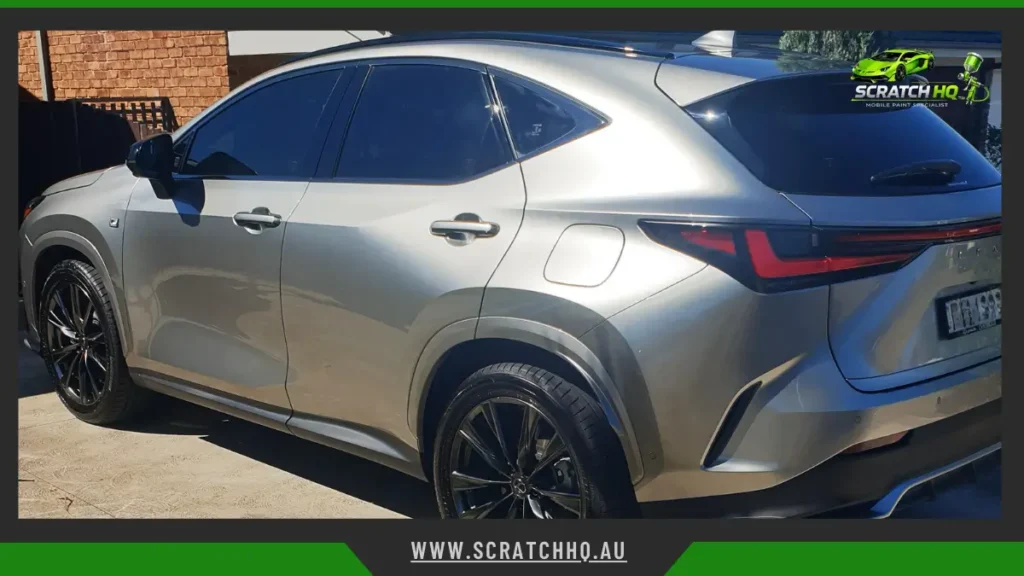
The right choice depends on how you use your vehicle, how long you plan to keep it, and how much maintenance you’re comfortable with.
Rather than focusing on which product is better overall, it’s more helpful to choose the one that matches your ownership habits and expectations.
Daily Drivers
Vehicles used every day benefit from paint protection that can keep up with frequent exposure to changing road conditions.
Daily commuting means your vehicle is regularly exposed to weather, road grime, dust, and repeated washing. For many owners, choosing a solution that doesn’t need frequent renewal makes ongoing vehicle care more convenient.
Weekend or Garage-Kept Cars
Cars that spend most of their time indoors often have different maintenance needs than daily drivers.
Owners who enjoy washing and detailing their vehicles may prefer a product they can apply as part of their regular care routine. For vehicles that are only driven occasionally, this approach can fit naturally into their maintenance schedule.
New Vehicles
Applying paint protection early helps preserve the condition of a vehicle’s factory finish.
Whether you choose ceramic coating or wax, protecting the paint before it experiences prolonged exposure to sunlight, contaminants, and everyday driving can help maintain its appearance over time.
Older Vehicles
The condition of the paint should be assessed before choosing any protective treatment.
If the surface already has swirl marks, scratches, oxidation, or other visible imperfections, these won’t disappear after applying wax or ceramic coating.
Restoring the paint first allows the protective product to perform on a cleaner, more uniform surface.
Budget-Conscious Owners
Your preferred spending approach can influence which option offers the better fit.
Some owners prefer a lower initial investment, while others are comfortable spending more upfront to reduce future maintenance. Considering both your budget and how you maintain your vehicle will help determine which approach makes the most sense.
Owners Looking for Convenience
If you prefer spending less time maintaining your vehicle, choose a solution that fits that lifestyle.
Some owners enjoy regular detailing, while others simply want to keep their vehicle looking its best with minimal ongoing effort. Selecting a paint protection option that matches your routine makes it easier to maintain consistently.
Quick Decision Guide
| If you… | Consider… |
| Drive your vehicle every day | Ceramic coating |
| Plan to keep your vehicle for many years | Ceramic coating |
| Park outdoors most of the time | Ceramic coating |
| Enjoy detailing your vehicle regularly | Car wax |
| Prefer the lowest upfront cost | Car wax |
| Own a weekend or garage-kept vehicle | Car wax |
| Want less frequent renewal of paint protection | Ceramic coating |
Common Misconceptions About Ceramic Coating and Wax
Understanding what these products can and cannot do helps you make a more informed decision.
“Ceramic coating makes your car scratch-proof.”
Ceramic coating improves resistance to everyday environmental exposure, but it does not prevent stone chips, deep scratches, or damage caused by impacts.
For drivers looking to reduce damage from stone chips and road debris, Paint Protection Film (PPF) offers a level of physical protection that ceramic coating and wax are not designed to provide.
“Wax is no longer worth using.”
Wax remains a practical choice for many vehicle owners. It continues to be widely used because it’s affordable, easy to apply, and can noticeably improve the appearance of a well-maintained vehicle.
“Ceramic coating means you never have to wash your car.”
Regular washing is still necessary. Ceramic coating simply makes removing dirt and contaminants easier, helping maintain a cleaner finish between washes.
“Water beading always means the coating is working perfectly.”
Water beading is only one indicator of surface performance. Accumulated contamination, washing methods, and the condition of the surface can also influence how water behaves.
Frequently Asked Questions
Is ceramic coating better than wax?
Neither option is universally better. The right choice depends on your vehicle, budget, maintenance preferences, and how long you plan to keep the car.
Can you apply wax over ceramic coating?
Yes. Some owners apply compatible waxes or maintenance products over ceramic coatings to enhance appearance. Always follow the coating manufacturer’s recommendations before doing so.
Does ceramic coating prevent scratches?
No. Ceramic coating does not prevent stone chips or deep scratches. It helps reduce the effects of everyday environmental exposure but is not designed to protect against impact damage.
How often should you wax a car?
The frequency depends on the type of wax used, driving conditions, and how the vehicle is maintained. Traditional wax generally requires more frequent reapplication than ceramic coating.
Is ceramic coating worth it compared to wax?
For owners seeking longer-lasting paint protection with less frequent renewal, ceramic coating can provide good long-term value. For those with different ownership goals or tighter budgets, wax may be the more suitable option.
Can you apply ceramic coating over wax?
No. Existing wax should be removed before ceramic coating is applied. Ceramic coatings need direct contact with the vehicle’s clear coat to bond properly.
Final Verdict
Both ceramic coating and wax can help preserve your vehicle’s paint when used appropriately. The better option depends on your ownership plans, maintenance preferences, and budget rather than a single feature or price point.
By understanding how each product performs and where it fits best, you can choose the solution that offers the greatest value for the way you use your vehicle.
Need Help Choosing the Right Paint Protection?
If you’re still deciding between ceramic coating and wax, we’re happy to help.
At Scratch HQ, we’ll assess your vehicle’s paint, discuss how you use your car, and recommend the most suitable option based on your needs rather than a one-size-fits-all approach.
Whether you’re protecting a new vehicle or improving the appearance of an older one, you can contact us for practical advice or request a personalised quote for our ceramic coating services.