A small scratch on your car can turn into a costly repaint if you fix it the wrong way.
The good news is that most damage can be fixed without repainting. If you know how to remove car scratches correctly, you can safely restore or improve the surface and prevent further problems.
In this guide, you’ll learn how to:
Key Takeaways
Can You Remove Car Scratches Without Repainting?
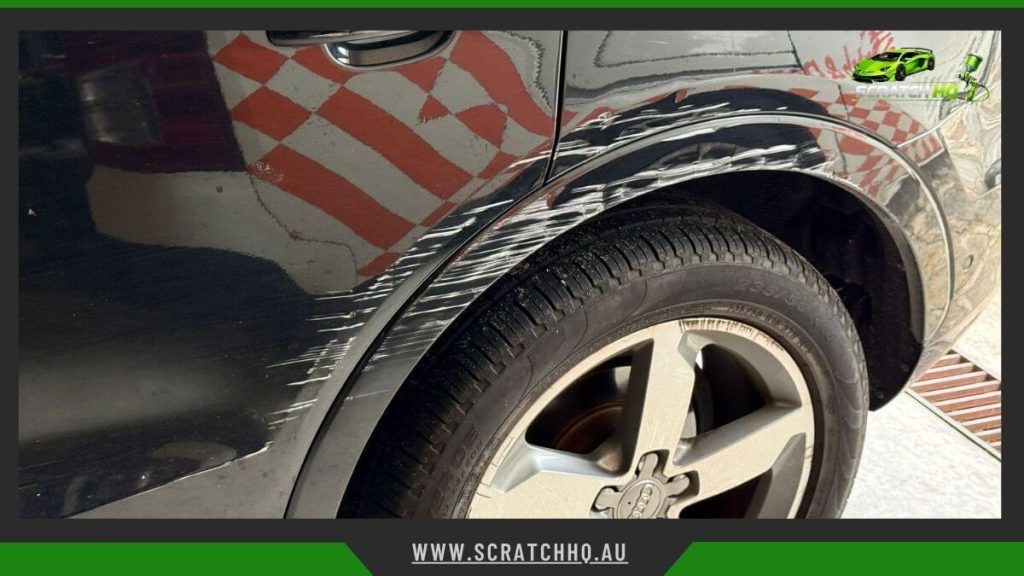
Yes, in many cases.
If the scratch is only in the clear coat, it can usually be removed through polishing. If it goes deeper, it may still be improved, but not completely removed.
Here is a quick breakdown:
Light scratches — fully removable
Paint transfer — easy to remove
Medium scratches — mostly improved
Deep scratches — may need touch-up or repainting
If the scratch disappears when wet, it is usually fixable.
What Type of Car Scratch Do You Have?
Before you try to remove car scratches, you need to identify the type of damage. Each type requires a different method, and using the wrong approach can make the scratch worse.
Here’s a simple breakdown of different types of car scratches and how to fix them:
Scratch Type | What It Looks Like | Can It Be Fixed? | Best Method |
|---|---|---|---|
Clear Coat Scratch | Light marks, fades when wet | Polish or buff | |
Paint transfer | Looks like a scratch but feels smooth | Clean and polish | |
Medium scratch | Visible, may catch fingernail | Machine polishing | |
Deep scratch | Deep line, shows primer or metal | Touch-up or repaint |
Most car scratches fall into two categories: clear coat scratches or paint transfer, which are the easiest to remove with basic DIY methods. Deeper scratches may still be improved, but they usually require more advanced car scratch repair techniques.
The Fingernail Test (Quick Way to Check Depth)
Run your fingernail across the scratch.
Does not catch — surface level, easy to fix
Slight catch — can be improved with polishing
Deep catch — likely needs professional repair
This simple test helps you avoid using the wrong method.
DIY vs Professional Car Scratch Repair: What Should You Choose?
Choosing the right approach depends on how deep the scratch is. The goal is to fix the damage without removing more clear coat than necessary.
When DIY Scratch Removal Works
When to Go for Professional Repair
These situations often require controlled tools and proper blending.
What DIY Cannot Fix
DIY methods can only help with surface-level scratches and paint transfer. Any scratch exposing primer, metal, or showing rust should be handled by a professional.
They will not fix:
These situations require proper repair steps such as sanding, priming, and repainting. Professional providers like Maaco highlight that deeper scratches cannot be corrected through polishing alone.
Quick Decision Guide
Does not catch— DIY is safe
Slight catch— may improve, proceed carefully
Deep catch— go professional
If unsure, examine the scratch thoroughly before starting repairs.
How to Remove Car Scratches Step by Step (Safe DIY Method)
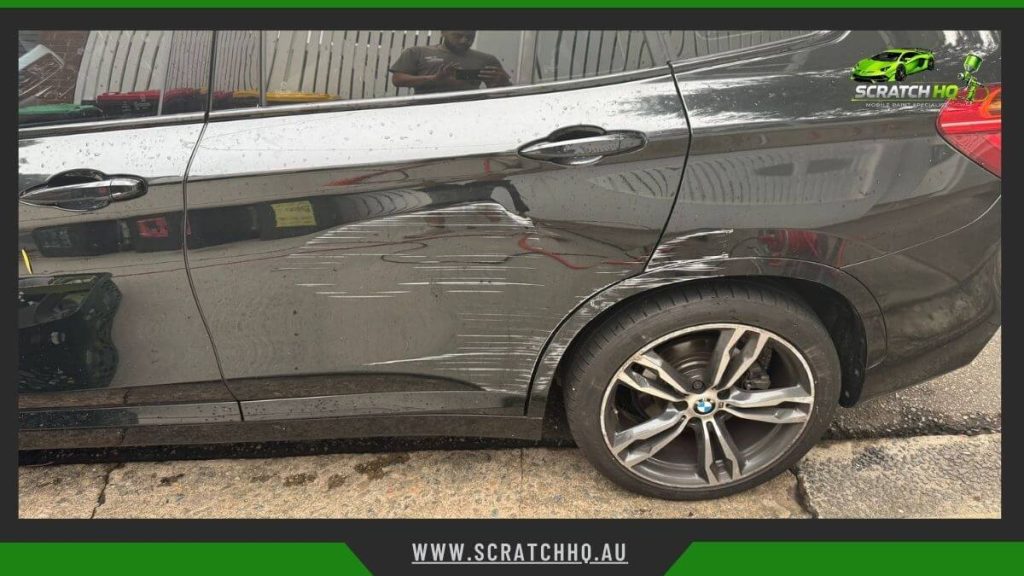
If the scratch is shallow, you can improve or remove it at home using a simple polishing process.
The goal is to gently level the surface so the scratch becomes less visible or disappears.
What You Need
Microfiber cloth or applicator pad · Scratch remover or polishing compound · Finishing polish or wax
Optional: Masking tape · Clean water spray for inspection
Before you start: Work in a shaded area, make sure the surface is cool to the touch, and use clean materials to avoid adding new marks.
Clean the area properly
Wash and dry the surface thoroughly before applying any product. Dirt or debris can cause additional scratches during polishing. A clean surface allows the product to work evenly.
Apply the compound
Apply a small amount of scratch remover or compound to your cloth or pad. Work on a small section at a time using light, consistent pressure. Move in controlled circular or back-and-forth motions.
Work the area gradually
Focus on even coverage rather than pressure. Repeat light passes instead of pressing harder. Check the surface every few passes. Stop once you see visible improvement.
Wipe and inspect
Use a clean microfiber cloth to remove excess product. Look from different angles using natural light. Lightly mist water to check visibility. Repeat only if needed.
Apply polish or wax
Finish with a polish or wax to restore gloss, blend the repaired section, and add a protective layer.
Watch: How to Remove Car Scratches (Step-by-Step)
Before you try this yourself, it helps to see how the process is actually done.
Small mistakes, like applying too much pressure, working too long on one spot, or skipping proper prep, can make the scratch worse. Watching a real demonstration gives you a clearer sense of how to apply the product, how much pressure to use, and when to stop.
In the video, you’ll see:
This helps you avoid trial-and-error and gives you more control before working on your own car.
Common Mistakes When Trying to Fix Car Paint Scratches
These are the most common problems:
You are removing a thin layer of clear coat. Once it is gone, it cannot be restored without repainting.
How Much Does It Cost to Remove Car Scratches?
Cost depends on the depth of the scratch, the size of the area, and the method you choose.
Here’s how to think about it:
Option 1
DIY repair
Lowest cost, but higher risk if done incorrectly
Option 2
Mobile repair
Balanced option — cost, convenience, and results
Option 3
Body shop
Higher cost, best for serious or extensive damage
What actually affects the price:
In most everyday situations, mobile repair is the most practical choice. It gives you professional results without the higher cost and downtime of a body shop. The key is choosing the method based on the damage, not just the price.
Mobile Repair vs Body Shop: Which Should You Choose?
Both have their place.
Feature | Mobile Repair | Body Shop | |
|---|---|---|---|
Location | Your home or work | Workshop | |
Time | 1 to 3 hours | 2 to 5 days | |
Cost | Lower | Higher | |
Best For | Minor to medium damage | Severe damage |
Mobile repair is faster and more convenient for small areas. Body shops are better for large or complex repairs.
Does Toothpaste Really Remove Car Scratches?
Sometimes, but it is not reliable. Toothpaste can act as a mild abrasive. It may improve very light surface marks, but it will not fix deeper scratches. It can also create uneven results if used incorrectly.
A proper polishing compound is always the better option.
What Results Can You Expect After Scratch Repair?
Results depend on how deep the scratch is.
Scratch Type | Result After Repair |
|---|---|
Light Scratch | Fully removed |
Paint Transfer | Completely gone |
Medium Scratch | Hard to notice |
Deep Scratch | Improved but still visible |
The goal is not always perfection. It is to make the damage unnoticeable in normal use.
Can Scratches Lead to Rust?
Yes, if the scratch exposes bare metal. Once moisture reaches the metal, rust can begin to form. This can spread and cause more damage over time.
If you see metal or rust, repair it as soon as possible.
How to Prevent Car Paint Scratches
Washing your car the wrong way, using poor materials, or parking carelessly causes more damage over time than major incidents. Small mistakes repeated often wear down your paint.
Most scratches don’t come from accidents. They come from everyday habits.
Use Proper Washing Techniques
Incorrect washing is one of the biggest causes of light scratches.
Best practices:
Dragging dirt across the surface is what creates swirl marks.
Avoid Dirty or Low-Quality Materials
Your tools can either protect or damage your paint.
What to avoid:
Even a slightly dirty cloth can leave fine scratches across the paint.
Be Mindful When Parking
Many scratches happen when the car is stationary.
Simple habits:
This reduces the risk of contact with other people and vehicles.
Watch Your Surroundings
Not all scratches come from other cars.
Be cautious around:
Repeated light contact can leave visible marks over time.
Apply Protective Layers
Protective coatings help reduce direct contact with the paint.
Options include:
These layers help reduce minor surface damage and make cleaning safer.
Dry the Car Properly
Drying can also cause scratches if done incorrectly.
Better approach:
Proper drying helps maintain a smooth surface.
Build Consistent Habits
Paint condition depends on consistent care.
Better approach:
You cannot prevent every scratch, but you can reduce most avoidable damage.
When Is Repainting the Only Option?
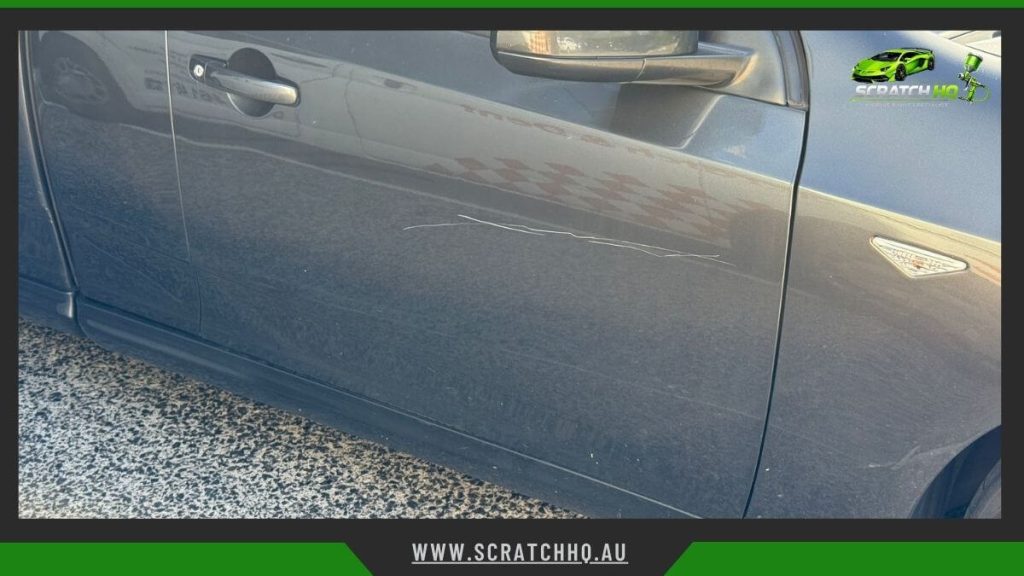
Repainting is needed when:
In these cases, polishing alone will not fix the problem.
Get Your Scratch Assessed Before You Fix It
The safest way to avoid making a scratch worse is to identify it correctly first. Not all scratches need the same approach. Some can be removed in minutes, while others require proper car scratch repair to avoid uneven results or further damage. If you’re unsure, it’s better to check before doing anything.
ScratchHQ provides mobile car scratch repair services across Sydney and surrounding areas, fixing dents, scratches, and paint damage at your home or workplace.
If you’re in Sydney, Scratch HQ can assess your scratch and let you know the best way to fix it.
No guesswork. Just a clear answer so you can decide what to do next.